Keyword Link Building That Delivers Growth
Ready to elevate Domain Authority fast with LinkDaddy SEO? Execute a data-driven link building workflow: analyze your backlink graph, organize keyword clusters by intent and difficulty, and obtain contextual links from genuine-traffic, topically aligned domains. Apply safe anchor ratios (≤10% exact), stage placements to mirror natural velocity, and align outreach with on-page optimizations (page titles, entities, internal links, schema). Measure DR/DA, referring domain quality, impressions, and ranking deltas in GA4/GSC to measure lift—and there’s additional strategies to amplify momentum.
Essential Highlights
How LinkDaddy's Data-Driven Link Building Operates
Even though link building typically feels opaque, LinkDaddy makes it quantifiable by anchoring every decision to data. You commence with a crawl-based audit that outlines your current backlink graph, detects toxicity risks, and benchmarks authority gaps by page and topic. Then you get a keyword blueprint that ranks terms by intent, difficulty, and traffic potential, aligning targets with on-page signals.
Following this, LinkDaddy structures anchor diversity through ratios tailored to your niche, evaluating competitors’ distributions to set safe, natural thresholds. Prospecting filters for domain quality, topical trust, and niche relevance, guaranteeing contextual links that strengthen entity associations. Outreach sequences are structured, tracking placement velocity, indexation, and link equity flow. Ultimately, dashboards connect movement in rankings to specific links, letting you iterate anchors, sources, and cadence with precision.
Core Distinctions Versus Generic Backlink Packages
Leveraging that data-first workflow, LinkDaddy stands apart from generic backlink packages by replacing volume-based blasts with calibrated, intent-mapped link acquisition. You don’t buy arbitrary quantities; you deploy carefully selected anchors, mapped to keyword clusters, on domains with real traffic, indexation, and topical trust. Each campaign prioritizes high authority placements with measurable niche relevance, ensuring link equity flows into pages that drive conversions, not vanity metrics.
In place of low-quality directories and spun blogs, you get publisher vetting, content fit scoring, and natural anchor ratios. Links are rolled out over time to match organic velocity, reducing footprint risk. You’ll see pre- and post-link benchmarks—impressions, average position, referring domain quality, and internal link impact—to validate lift. This targeted approach improves crawl efficiency, reinforces semantic associations, and compounds authority where it matters.
Integrating Linkdaddy In Conjunction With On-Page SEO and Content
By aligning LinkDaddy’s strategically calibrated link acquisition with solid on-page SEO and content architecture, you strengthen ranking signals across the overall funnel. You organize keyword clustering to intent tiers (informational, commercial, transactional) and designate each cluster a canonical hub. Subsequently you direct LinkDaddy anchors to fortify hubs while your internal linking funnels equity to supporting pages. You optimize titles, H1s, and entities with precise term frequency and semantic coverage, lowering cannibalization and strengthening topical authority.
You additionally make sure crawl depth remains low for revenue pages by tightening navigation and breadcrumbs. Implement structured data to clarify page purpose and enhance snippets. Match backlink velocity with publishing cadence so fresh URLs index rapidly. Monitor anchor diversity, hub engagement, and assisted conversions to ensure authority transfer.
Step-by-Step Implementation and Tracking Strategy
Before you launch, establish a KPI baseline and a controlled rollout so you can attribute impact to LinkDaddy. Benchmark DA/DR, referring domains, trust flow, non-brand clicks, average position, and conversion rate. Segment target pages by intent and revenue. Create a two-wave plan: Wave 1 focuses on core URLs; Wave 2 amplifies winners.
Establish link quotas, cadence, and anchor text optimization rules (exact, partial, branded, URL) with caps per page. Link each placement to a target keyword cluster and canonical URL. Focus on competitive outreach to secure contextually relevant links from pages with topical authority and real traffic.
Deploy tracking: mark campaigns in GA4, sync GSC queries, and track impressions, CTR, and ranking variations weekly. Employ link indexers, check crawls, and credit uplift via pre/post trendlines and cohort assessments.
Common Pitfalls to Avoid for Sustainable Growth
While LinkDaddy can speed up authority, you'll stall growth if you disregard risk controls and quality signals. Do not chase volume over relevance. Review referring domains every week, flag toxic links using metrics like DR/DA thresholds, outbound link ratios, topical Trust Flow, and anchor-text entropy. Disavow at scale only after validation to avert collateral equity loss.
Steer clear of unrealistic timelines. Authority growth usually trails crawl/index cycles (two to eight weeks) and relies on link velocity, niche competitive landscape, and content depth. Maintain anchor diversity: ≤10% exact-match, prioritize branded and partial-match anchors. Maintain topical alignment; links from off-theme sites diminish semantic authority.
Track critical indicators: impressions, referring domain quality, crawl stats, and indexation. If CTR and average position enhance but volatility spikes, reduce acquisition, strengthen on-page, and recalibrate link mix.
FAQ
Will Linkdaddy Benefit Local Businesses With Restricted Budgets?
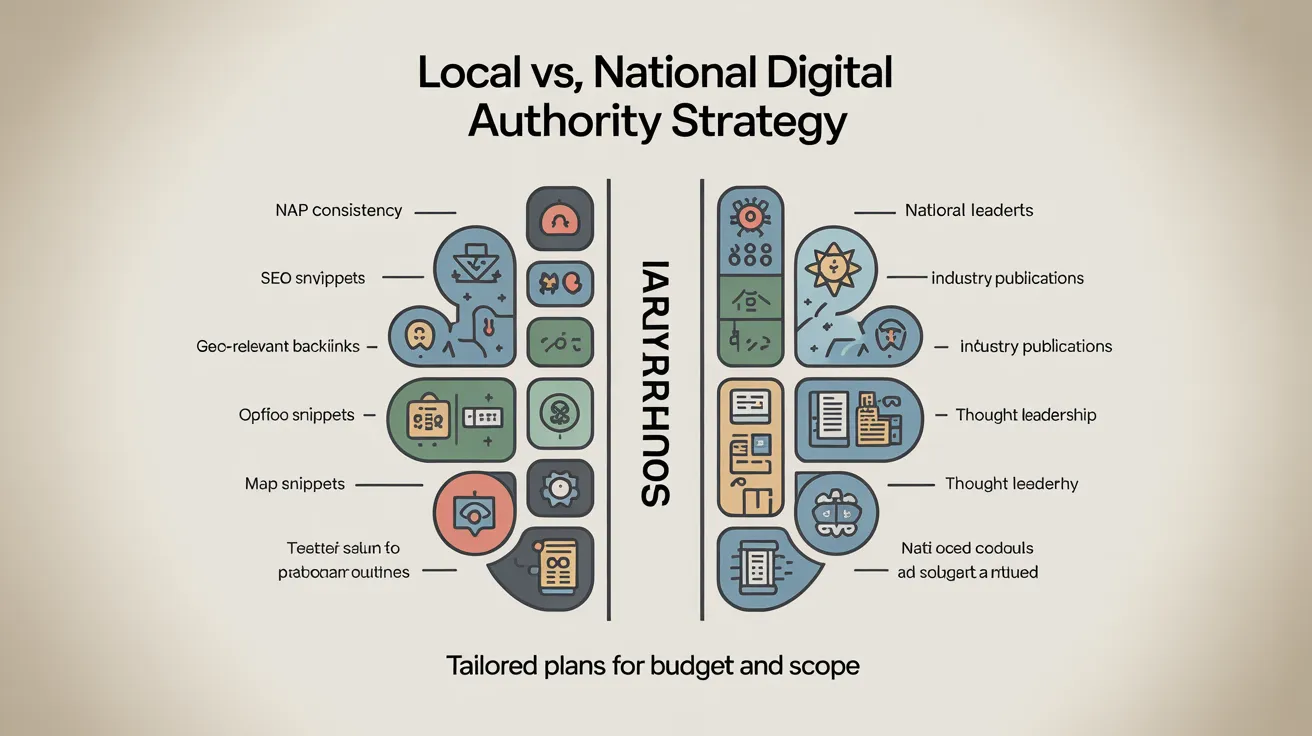
Absolutely—when you focus on ROI and defined parameters. You can utilize affordable targeting, niche citations, and geographically-targeted backlinks to improve community visibility. Initiate with NAP consistency, GMB optimization, and schema markup; then incorporate localized anchors and map embeds. Measure CPC substitutes via domain referral pricing, CTR, and local pack rankings. Define a capped monthly link velocity, filter by authority metrics and topical relevance, and A/B test anchor ratios to stay productive on constrained financial resources.
How Much Time Do Linkdaddy Campaigns Generally Take to Begin?
Most campaigns onboard in 3–7 business days. You’ll progress through clearly defined campaign timelines: intake form submission (taking 15–30 minutes), account verification (processed the same day), niche mapping (completed in 24–48 hours), and asset readiness checks (24 hours). An interesting statistic: optimizing onboarding steps reduces launch delays by up to 42%. You’ll obtain a milestone-based tracker, SLA timestamps, and API-linked confirmations, so you can verify deliverables, refine targets, and secure schedules before link deployment commences.
Does Linkdaddy Adhere To Google’s Latest Link Spam Guidelines?
Yes—if the tactics use transparent disclosures, natural anchors, and pertinent sources, you’re aligned with Google’s link spam policies. You should verify policy compliance by examining nofollow/sponsored attributes, anchor text ratios, link velocity, and referring-domain diversity. Crawl data, GSC reports, and audit logs should show no manual actions, steady spam scores, and consistent indexation. If you notice sudden DR spikes, paid networks, spun content, or sitewide injections, you’re risking link spam violations.
Could Nonprofits or .Edu Websites Take advantage of Linkdaddy Products?
Absolutely—nonprofit organizations and .edu domains can gain advantages when you focus on relevance and adherence. You may have concerns about risk, yet data reveals well-chosen nonprofit initiatives and university partnerships produce stronger trust signals, click-through rates, and referral engagement when hyperlinks correspond to thematic authority. You'll map content to academic departments, coordinate anchors with entity-driven SEO, and confirm linking domains via DR/DA, spam metrics, and traffic parameters. Track impact using GSC impressions, indexation velocity, and assisted conversions to prove ROI.
What Industries Get Excluded Based on Compliance or Risk Concerns?
You're unable to use these services for industries with elevated compliance or reputational risk. Exclusions typically include Adult content, Cannabis offerings, gambling/betting, payday loans, copyright goods, illicit pharmaceuticals, weapons, and hate/violence. These services also restrict malware, copyright mixers, and deceptive financial schemes. Risk models flag high chargeback rates, age-restricted targeting, click here and jurisdictional bans. You must have documented licensing, KYC/AML alignment, and transparent landing pages; otherwise campaigns face rejection or throttled to maintain network integrity and partner compliance.
Bottom Line
You've experienced how LinkDaddy's data-backed link building enhances domain authority fast. When you pair precision backlinks with on-site SEO, topical clusters, and technical fixes, you're not guessing—you're calibrating. Watch DR, referring domains, anchor ratios, and page-level impact like a dashboard hawk. Avoid spammy footprints and over-optimized anchors; scale relevance, not noise. Do this, and your rankings climb like a well-tuned rocket—reliable, calculable, lasting. Execute the step-by-step plan, iterate weekly, and control your competitive SERP space.